
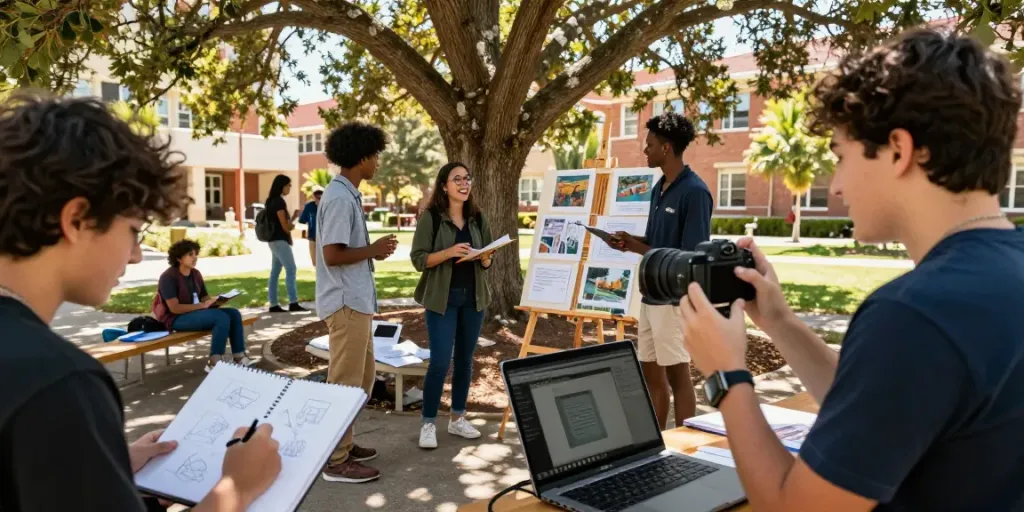
Understanding the Role of Creative Ecosystems in Campus Life
The landscape of higher education is continually evolving, especially as students increasingly seek avenues for self-expression and innovation. The integration of creative ecosystems within campus life provides an invaluable platform for students to collaborate, share ideas, and cultivate their artistic endeavors. Initiatives like super33 have emerged as vital contributors, fostering environments where creativity flourishes. By facilitating partnerships between various disciplines, these ecosystems empower students to explore their potential and broaden their horizons.
Defining Creative Ecosystems for Students
Creative ecosystems can be defined as interconnected communities that nurture artistic expression and innovation among students. These ecosystems are not limited to traditional arts; they encompass a variety of disciplines, including technology, design, and performance. Such environments thrive on collaboration and diversity, where students from different backgrounds unite to create impactful projects, contributing not only to their personal growth but also to the college’s cultural fabric.
Benefits of Collaboration in Student Projects
Collaboration is at the heart of creative ecosystems, providing numerous benefits for students involved in group projects. By working together, students gain diverse perspectives and skills, enhancing the creative process. Some key advantages include:
- Resource Sharing: Collaboration allows students to pool their resources, be it knowledge, tools, or materials, leading to more comprehensive and well-rounded projects.
- Skill Development: Working with others can help students sharpen their skills and learn new ones, fostering personal and professional growth.
- Networking Opportunities: Students can build valuable connections with peers, industry professionals, and mentors, which can be beneficial for future career opportunities.
Impact of Technology on Creative Expression
The rise of technology has significantly transformed creative expression among students. Digital tools and platforms now play a crucial role in facilitating collaboration and enhancing creative output. For instance, students can use software for graphic design, music production, and video editing, enabling them to produce high-quality work that resonates with their audience. Moreover, technology allows for the seamless sharing of ideas and projects across borders, fostering a global community of young creators.
Exploring the SUPER33 Initiative and Its Impact
The SUPER33 initiative is designed to empower students by creating platforms for them to showcase their creativity and collaborate on meaningful projects. This initiative stands out as an exemplar of how educational institutions can create spaces that reflect students' needs and aspirations.
Overview of the SUPER33 Philosophy
The SUPER33 philosophy revolves around inclusivity and freedom of expression. It encourages students to vocalize their thoughts, show their artwork, and engage in discussions about their experiences. This approach not only validates the students' identities but also promotes a culture of openness and creativity on campus.
Case Studies: Successful Student Projects
Numerous student-led projects have emerged from the SUPER33 initiative, exemplifying the power of collaboration and creativity. Some notable examples include:
- Visual Arts Exhibition: This project brought together students from various disciplines to create a collective art show that showcased their talents and perspectives.
- Digital Storytelling Workshops: Students collaborated to produce short films and narratives, employing modern technology to tell their unique stories.
- Community Engagement Programs: These initiatives have allowed students to connect with local communities through art, providing outreach opportunities while applying their skills for social good.
Future Prospects for the Initiative in 2026
Looking ahead, the future of the SUPER33 initiative appears promising, with plans to expand its reach and impact. By incorporating more advanced technologies and resources, the initiative aims to create even more engaging and inclusive experiences for students. Furthermore, collaborations with industry leaders are anticipated, providing practical insights and learning experiences for future creatives.
Key Challenges Faced by Student Creatives
Despite the positive framework established by creative ecosystems like SUPER33, students often encounter a range of challenges that can hinder their creative processes. Recognizing and addressing these obstacles is crucial for fostering a supportive environment.
Common Obstacles in Collaborative Work
Collaboration comes with its own set of challenges, including differing opinions, workload distribution issues, and varying skill levels among team members. These factors can lead to misunderstandings and conflicts that impede project progress. Establishing clear communication channels and defining roles can help mitigate these issues, ensuring smoother collaboration.
Misconceptions About Student Creativity
There are common misconceptions that limit the perception of student creativity. Some believe that student work lacks depth compared to established professionals, which can result in diminished opportunities for students to showcase their abilities. It is essential to challenge these stereotypes by highlighting and celebrating the innovative work produced by students.
Strategies to Overcome Challenges in Creative Projects
To navigate the complexities of creative collaboration, students can employ several strategies:
- Effective Communication: Establishing open lines of communication helps to address issues proactively and fosters collaboration.
- Flexibility and Adaptability: Embracing change and being willing to adjust plans can help teams maintain momentum.
- Time Management: Setting realistic timelines and deadlines ensures that all members are on the same page and can contribute effectively.
Best Practices for Engaging in Creative Activities
Engagement in creative activities should be strategic and well-structured to maximize the impact of collaborative projects. Understanding best practices can help students achieve their creative goals effectively.
Techniques for Effective Collaboration
To enhance collaborative efforts, students can adopt techniques such as brainstorming sessions, regular check-ins, and utilizing project management tools. These practices ensure that everyone is involved and aligned, resulting in cohesive projects.
Utilizing Digital Tools for Creative Projects
Digital tools are pivotal in amplifying creativity. Software for graphic design, video editing, and communication platforms streamline the creative process, allowing for real-time collaboration and feedback. Popular tools such as Adobe Suite, Canva, and Slack can enhance productivity and foster creativity among team members.
Organizing Events to Showcase Student Work
Creating opportunities for students to present their work is vital. Organizing showcases and exhibitions not only celebrates student creativity but also facilitates networking and collaboration with a wider audience. These events can highlight the diversity of student talent and encourage participation in future projects.
Future Trends in Student Creativity and Collaboration
As the landscape of higher education continues to shift, several trends are emerging that will shape student creativity and collaboration in the coming years.
Emerging Technologies Shaping Creative Spaces
Technological advancements such as virtual reality (VR), augmented reality (AR), and artificial intelligence (AI) are expected to revolutionize the way students engage with creativity. These technologies provide innovative tools for expression and collaboration, allowing for more immersive and interactive experiences.
Predictions for Student Engagement in 2026
By 2026, student engagement in creative activities is anticipated to increase significantly, driven by technological advancements and a growing recognition of the importance of creativity in education. Institutions may focus more on interdisciplinary approaches, allowing students from varied backgrounds to collaborate on creative projects, fostering a rich tapestry of ideas and innovations.
Advice from Industry Experts on Student Creativity
Industry experts emphasize the importance of resilience, experimentation, and collaboration in the creative process. They encourage students to cultivate a growth mindset, where failures are viewed as learning opportunities. Additionally, they advocate for students to seek out mentorship and engage with the creative community outside of their institution to broaden their perspectives and enrich their experiences.